Ah, the Toyota check engine light - an all too familiar sight for many car owners. As the guardian of your vehicle's health, this little illuminator can be a source of anxiety or even downright dread.
But fear not, fellow Toyota enthusiasts! Today, we embark on a passionate journey into check engine lights, explaining to the Toyota check engine light as well as providing the ultimate guide to understanding, diagnosing, and addressing this illuminated enigma.
This article will dive deep into Toyota Check Engine Light Basics and check engine light Toyota. Let's get started.
The Heart of the Matter: Toyota Check Engine Light Basics

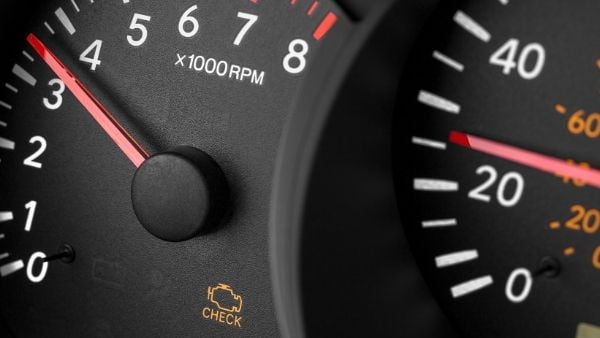
Before diving into the details, let's establish the foundation of our knowledge. The Toyota check engine light, also known as the Malfunction Indicator Lamp (MIL), is an essential component of your Toyota's onboard diagnostic system. This illuminator serves as a signal to notify you of potential issues within your vehicle's engine or emissions system.
As Henry Ford once said, "To invent the airplane is nothing. To build one is something. But to fly is everything." The same can be said about understanding your Toyota check engine light. To truly appreciate its significance, you must first understand its purpose and function within the realm of automotive diagnostics and maintenance. Just as a pilot must know their aircraft, a Toyota owner should be well-versed in the language of their vehicle's warning systems, ensuring a smooth and worry-free journey on the road.
The Check Engine Light Toyota Hall of Fame

- Check engine light Toyota Camry: As one of Toyota's flagship models, the Camry is synonymous with reliability. When the check engine light illuminates, it's essential to address the issue promptly to maintain the Camry's stellar reputation.
- Trac off and check engine light Toyota: This duo of warning lights often appear together, indicating a potential issue with the vehicle's traction control system. Don't ignore this dynamic duo!
- Check engine light Toyota Corolla: A popular compact car, the Corolla's check engine light serves as a vital warning system for engine and emissions issues.
- Reset check engine light Toyota: Once you've resolved the problem that triggered the check engine light, resetting it is essential to clear the code and monitor future issues.
- Toyota Prius check engine light: As a pioneer in hybrid technology, the Prius may have unique reasons for its check engine light to appear. Proper diagnosis and maintenance are vital for this eco-friendly marvel.
How do I reset the check engine light Toyota?
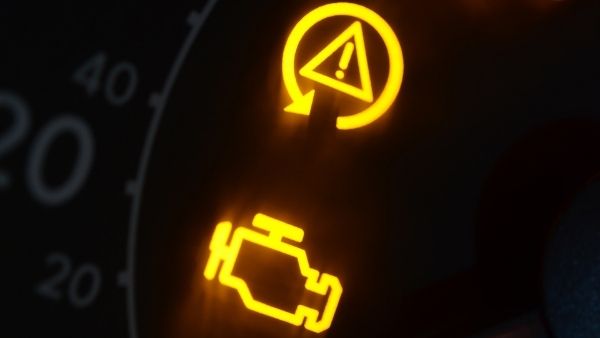
You can commonly reset the check engine light using an OBD-II scanner. Alternatively, you can disconnect the battery for a few minutes, although this method may not always work.
Can I drive my Toyota with the check engine light on?
While it's not ideal, you can typically drive with the check engine light on for a short distance. However, addressing the issue as soon as possible is crucial to prevent further damage.
What are some common reasons for a Toyota Corolla check engine light to illuminate? Some common reasons include a loose gas cap, malfunctioning oxygen sensor, or faulty ignition coil.
Also, people asked, "What do the VSC and check engine light Toyota signify?" well, VSC (Vehicle Stability Control) is an advanced safety feature in many Toyota models. If the VSC and check engine light appear simultaneously, it may indicate an issue with the vehicle's stability control system.
More Tips for Toyota Check Engine Light Connoisseurs
- Toyota RAV4 check engine light: As a versatile SUV, the RAV4 is built to tackle various terrains. Ensure your vehicle's longevity by paying close attention to the check engine light and addressing issues promptly.
- Toyota Sienna check engine light: As a family favorite, the Sienna's check engine light demands your attention. Keep your family safe by staying on top of engine and emissions concerns.
- Toyota Tacoma check engine light: This rugged pickup requires regular maintenance to handle heavy-duty tasks. Don't let a check engine light slow you down.
- 2007 Toyota Camry check engine light: Older models may have unique quirks. Investigate the cause of the check engine light to keep your classic running smoothly.
- Blinking check engine light Toyota: A blinking check engine light indicates a severe issue that requires immediate attention. Do not ignore this critical warning sign!
Proactive Measures to Prevent Check Engine Light Nightmares
- Perform regular maintenance: Keep up with your Toyota's scheduled maintenance, including oil changes, filter replacements, and spark plug inspections.
- Use quality fuel and oil: Inferior fuel and oil can lead to buildup and engine issues. Invest in high-quality products to protect your vehicle.
- Check your gas cap: A loose or damaged gas cap can trigger the check engine light. Make sure it's tightened correctly after every fill-up.
- Be mindful of warning signs: Unusual noises, vibrations, or loss of power are often early indicators of a problem. Address these issues before they escalate.
In conclusion, your Toyota's check engine light is invaluable for maintaining your vehicle's performance and longevity. You can ensure a smooth and enjoyable driving experience for years by staying informed, proactive, and diligent. Remember that the key to automotive excellence is understanding and addressing your vehicle's needs. Embrace the check engine light and drive with confidence!